


 Send Inquiry
HONEY PROCESSING PLANT
Price 250000 INR/ Piece
MOQ : 1 Piece
HONEY PROCESSING PLANT Specification
- Heating Method
- Electric or Hot Water Jacketed System
- Features
- Heating, filtration, moisture reduction, bottling
- Speed Mode
- Variable speed settings
- Operating Temperature
- 35 60C
- Automation Grade
- Automatic
- Machine Type
- Honey Processing Unit
- Noise Level
- Low
- Frequency
- 50 Hz
- Power Source
- Electric
- Phase
- Three Phase
- Function Type
- Continuous
- Feeding System
- Conveyor & Pump Feeding
- Product Type
- Honey Processing Plant
- General Use
- Honey extraction, purification, and packaging
- Material
- Stainless Steel 304
- Type
- Industrial Food Processing Unit
- Capacity
- From 250 kg/h up to 2000 kg/h
- Weight (kg)
- 1500 kg approx.
- Product Shape
- Rectangular Modular Plant
- Computerized
- Yes
- Automatic
- Yes
- Control System
- PLC Control
- Installation Type
- Complete Plant Setup
- Voltage
- 415 V
- Power
- 15 kW approx.
- Dimension (L*W*H)
- Customizable as per order
- Raw Material
- Honey (Raw/unprocessed)
- Feature
- Efficient honey extraction, filtration, and bottling
- Color
- Stainless Steel Finish
- Filtration Type
- Multistage Filtration with Fine Mesh Filters
- Cleaning
- CIP (Clean-in-Place) System Included
- Display
- Touchscreen HMI Display Panel
- Applicable For
- Honey, Also suitable for viscous syrups
- Mobility
- Skid Mounted, Movable Design
- Output Packaging
- Manual/Automatic Bottling Line Compatible
- Processing Steps
- Preheating, Filtration, Defoaming, Vacuum Concentration, Cooling, Bottling
- Pump Type
- Food Grade Stainless Steel Pumps
- Level Indicators
- Digital Sensors and Gauges
- Air Requirement
- Compressed air (if pneumatic automation fitted)
- Manpower Required
- 2-3 operators per shift
- Safety Features
- Overload Protection, Emergency Stop Switch
- Concentration Method
- Vacuum Evaporation System
About HONEY PROCESSING PLANT
ZIGMA MACHINERY & EQUIPMENT SOLUTIONS are Manufacturer, Supplier, Exporter of Various Fruits & Vegetable Pulp Processing Plants, Fruits & Vegetables Jam/Jelly Processing Plants, Fruits & Vegetables Juice Processing Plants,Seamless Honey Processing Workflow
This plant streamlines honey transformation from raw to bottled product. Key stages include preheating, multistage fine mesh filtration, efficient defoaming, advanced vacuum concentration for moisture reduction, controlled cooling, and consistent bottling. Each phase maximizes purity, taste, and shelf life, while automated PLC and touchscreen controls ensure precise operations and minimized manual intervention.
Packed With Safety and Quality Features
Designed for optimal hygiene and user safety, the plant incorporates stainless steel food-grade pumps, overload protection, an emergency stop switch, and a comprehensive CIP (Clean-in-Place) system. Digital sensors for level indication, low noise levels, and variable speed settings contribute to both operational safety and quality consistency.
Versatile, Scalable and User-Friendly
Its modular, skid-mounted architecture lets you easily install or relocate the plant to suit operational needs. Supporting capacities from 250 kg/h to 2000 kg/h, the plant is adaptable for both small and large scale operations. Minimal manpower required enhances cost-effectiveness, and compatibility with both manual and automatic bottling systems ensures flexibility.
FAQ's of HONEY PROCESSING PLANT:
Q: How does the honey processing plant ensure optimal honey purity and quality?
A: The plant utilizes a multistage fine mesh filtration system and vacuum evaporation technology to remove impurities and excess moisture, ensuring high-purity honey with excellent flavor and extended shelf life. All contact parts are made from stainless steel 304 for enhanced hygiene.Q: What are the main processing steps in this plant and their purposes?
A: The process includes preheating to liquefy honey, multistage filtration for impurity removal, defoaming to eliminate air bubbles, vacuum concentration to reduce moisture content, cooling for stabilization, and bottling for packaging. Each step is automated for consistency and product quality.Q: When should the Clean-in-Place (CIP) system be used, and how does it work?
A: The CIP system should be used after each production batch or as per standard sanitation protocols. It circulates cleaning solutions through the plant's pipes, tanks, and pumps, ensuring thorough internal cleaning without disassembly, maintaining food safety and preventing cross-contamination.Q: Where can this honey processing plant be installed, and is the setup mobile?
A: The plant features a skid-mounted, modular design, making installation flexible across various industrial spaces. It is easy to relocate within a facility or between sites, making it suitable for both permanent and temporary setups.Q: What types of pumps are used and why are they suitable for honey processing?
A: Food-grade stainless steel pumps are employed to handle the viscous nature of honey and syrups without contamination or corrosion. These pumps provide hygienic, reliable transfer, supporting efficient and safe operation throughout the process.Q: How many operators are required for each production shift?
A: Only 2 to 3 operators are needed per shift due to the plant's high degree of automation, PLC control system, and user-friendly touchscreen HMI panel, which minimizes manual oversight and intervention.Q: What are the main benefits of using a fully computerized, automated honey processing plant?
A: Automation delivers consistent product quality, reduces manual labor costs, enhances operational safety, and increases processing speed and efficiency. Digital controls and sensors offer precise monitoring and real-time adjustments, ensuring smooth and reliable operation.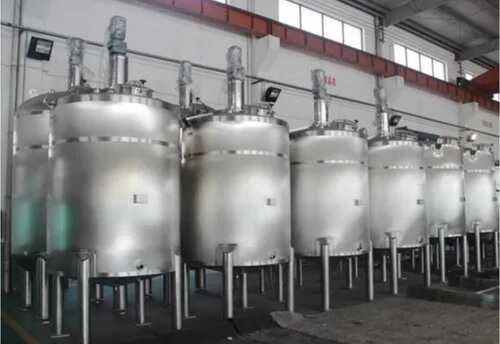
Tell us about your requirement

Price:
Quantity
Select Unit
- 50
- 100
- 200
- 250
- 500
- 1000+
Additional detail
Mobile number
Email

More Products in FOOD PROCESSING MACHINE Category
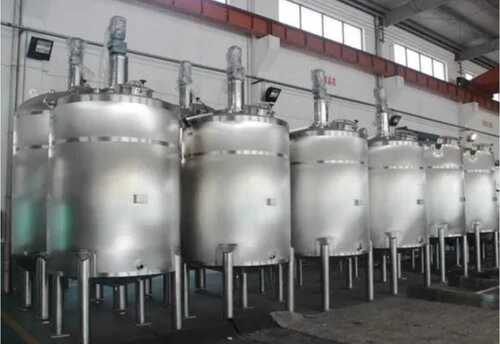
TUTTI FRUTTI MANUFACTURING MACHINERY
Price 250000 INR / Piece
Minimum Order Quantity : 1 Piece
General Use : For Manufacturing Tutti Frutti from Fruits
Installation Type : Other, Freestanding
Automatic : Yes
Color : Other, Silver / Grey
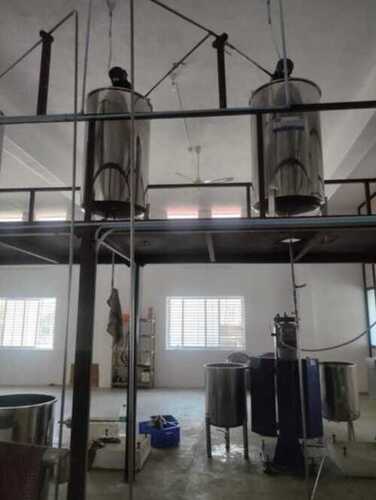
SNACKS PROCESSING PLANT
Price 160000 INR / Piece
Minimum Order Quantity : 1 Piece
General Use : Processing and manufacturing snacks
Installation Type : Other, Floor mounted
Automatic : Yes
Color : Other, Industrial grey / stainless steel

NAMKEEN SNACKS PROCESSING PLANT
Price 250000 INR / Piece
Minimum Order Quantity : 1 Piece
General Use : Production of Namkeen, Sev, Bhujia, Mixtures, and other Snacks
Installation Type : Other, Containerized or Fixed Installation
Automatic : Yes
Color : Other, Silver/Grey
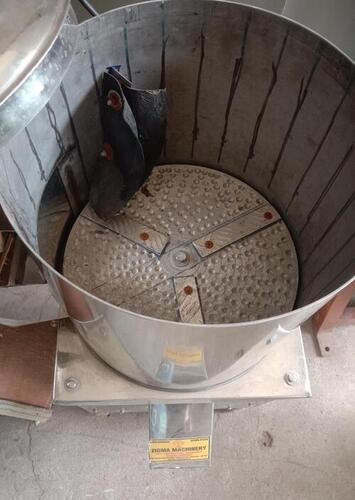
GARLIC PEELER
Price 45000 / Piece
Minimum Order Quantity : 1 Piece
General Use : Peeling Garlic
Installation Type : Other, Tabletop
Automatic : Yes
Color : White

ZIGMA MACHINERY & EQUIPMENT SOLUTIONS
GST : 33CGIPS5665K1ZS
GST : 33CGIPS5665K1ZS
Contact Details

- 223, Corner of GKS Avenue, Siruvani Road, Vadavalli, Near Bharathi Vidya School,Coimbatore - 641046, Tamil Nadu, India
- Phone :08071794159

- Mr. Sundar Prabu (Director)
- Mobile :08071794159
- Send Inquiry
 Send Inquiry
 Send Inquiry
 Send SMS
 Call Me Free
ZIGMA MACHINERY & EQUIPMENT SOLUTIONS
All Rights Reserved.(Terms of Use)
Developed and Managed by Infocom Network Private Limited.
Developed and Managed by Infocom Network Private Limited.

