


 Send Inquiry
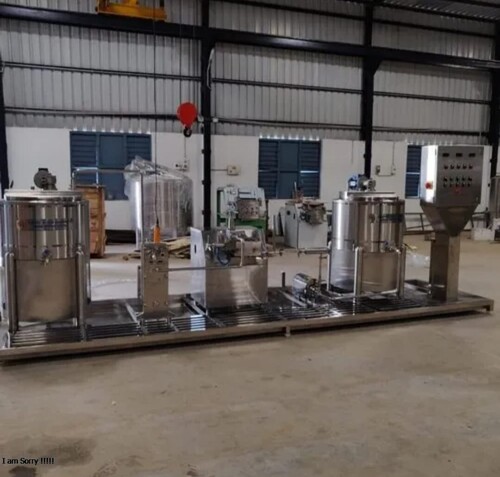
TAMARIND POWDER PLANT
Price 660000 INR/ Piece
MOQ : 1 Piece
TAMARIND POWDER PLANT Specification
- Feeding System
- Automatic Screw Feeder
- Speed Mode
- Variable
- Heating Method
- Electric Heater
- Frequency
- 50 Hz
- Automation Grade
- Automatic
- Phase
- Three Phase
- Noise Level
- <75 dB
- Function Type
- Drying, Pulverizing, Sieving
- Features
- High Production Rate, Low Maintenance
- Power Source
- Electric
- Operating Temperature
- Ambient to 80C
- Machine Type
- Pulverizer-Based Plant
- Product Type
- Powder Processing Plant
- General Use
- Tamarind Powder Manufacturing
- Material
- Stainless Steel (SS304)
- Type
- Continuous Type
- Capacity
- 500 kg/hr
- Weight (kg)
- 3000 kg
- Product Shape
- Rectangular Modular Plant
- Computerized
- Yes
- Automatic
- Yes
- Control System
- PLC Controlled
- Installation Type
- Floor Mounted
- Voltage
- 415V
- Power
- 45 kW
- Dimension (L*W*H)
- 12m x 4m x 5m
- Raw Material
- Tamarind
- Feature
- Efficient, Hygienic Processing
- Color
- Metallic Silver
- Filter System
- Dust Extraction Filter Included
- Discharge Type
- Spout Discharge
- Cooling Arrangement
- Optional Air Cooling for sensitive ingredients
- Operating Humidity
- 70%
- Lubrication System
- Centralized Automatic Lubrication
- Environmental Compliance
- Meets GMP and food safety standards
- Cleaning System
- CIP (Clean-In-Place) support
- Conveyor Type
- Stainless Steel Belt Conveyor
- Packaging System
- Semi-automatic FFS (Form Fill Seal) compatible
- Safety Features
- Overload Protection, Emergency Stop
- Input Feeder Capacity
- 600 kg/hr
- Sieving Mesh Size
- Up to 60 mesh
- Drying System
- Tray Dryer integrated with hot air circulation
About TAMARIND POWDER PLANT
ZIGMA MACHINERY & EQUIPMENT SOLUTIONS are Manufacturer, Supplier, Exporter of Various Fruits & Vegetable Pulp Processing Plants, Fruits & Vegetables Jam/Jelly Processing Plants, Fruits & Vegetables Juice Processing Plants,Advanced Drying and Sieving for Uniform Quality
Our tray dryer with hot air circulation ensures efficient drying of tamarind while preserving flavor and nutrition. The sieving system, accommodating up to 60 mesh, guarantees a consistent, fine powder-ideal for culinary and industrial applications. With centralized lubrication and PLC control, maintenance is minimized and reliability is maximized.
Hygienic Operation with Compliance and Safety
Built from food-grade stainless steel (SS304) and conforming to GMP standards, this plant features Clean-In-Place (CIP) cleaning, a dust extraction filter, and overload protection for safe, hygienic production. Emergency stop functions and robust construction ensure operator safety and regulatory compliance in food processing environments.
Flexible Automation & Customizable Features
Fully automatic and PLC-controlled, the tamarind powder plant provides variable speed processing and supports a wide range of batch sizes. With optional air cooling for heat-sensitive ingredients, a stainless steel belt conveyor, and semi-automatic form fill seal packaging, it adapts easily to specific production requirements.
FAQ's of TAMARIND POWDER PLANT:
Q: How does the drying system work in the Tamarind Powder Plant?
A: The plant uses a tray dryer with hot air circulation, allowing tamarind pulp to dry evenly at controlled temperatures (ambient to 80C). This process helps retain flavor and color while reducing moisture content for optimal powder formation.Q: What is the process flow for tamarind powder manufacturing in this plant?
A: The process includes feeding raw tamarind via an automatic screw feeder, drying it in the tray dryer, pulverizing it, then sieving to achieve fine powder (up to 60 mesh). The final product is packaged using a semi-automatic FFS system. The plant is PLC-controlled for synchronized operation of each step.Q: When and where can the cooling arrangement be used?
A: The optional air cooling arrangement is used when processing heat-sensitive ingredients, helping maintain product quality. It can be integrated after the drying and before sieving, especially in facilities with higher ambient temperatures or for products requiring lower thermal exposure.Q: What are the main benefits of using this tamarind powder plant?
A: Key benefits include efficient, high-capacity production (500 kg/hr), hygienic operation with CIP cleaning and dust extraction, consistent powder quality due to precision sieving, and compliance with GMP and food safety standards. The automatic system reduces manual labor and maintenance costs.Q: How is cleaning performed in the plant?
A: The plant supports Clean-In-Place (CIP) cleaning, allowing internal surfaces to be washed automatically without disassembly. This ensures sanitary operation, speeds up changeover times, and simplifies routine maintenance.Q: Where is this tamarind powder plant typically installed?
A: The modular, floor-mounted design is suitable for food processing industries, spice manufacturers, and export-oriented units. Its robust construction and GMP compliance support both domestic Indian and international installations.Q: What safety features are included in this plant?
A: Safety is prioritized with features like overload protection, emergency stop systems, centralized automatic lubrication, and dust extraction. These prevent accidents, reduce machine wear, and ensure trouble-free operation.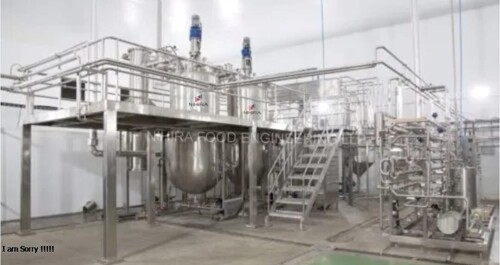
Tell us about your requirement

Price:
Quantity
Select Unit
- 50
- 100
- 200
- 250
- 500
- 1000+
Additional detail
Mobile number
Email

More Products in FOOD PROCESSING MACHINE Category
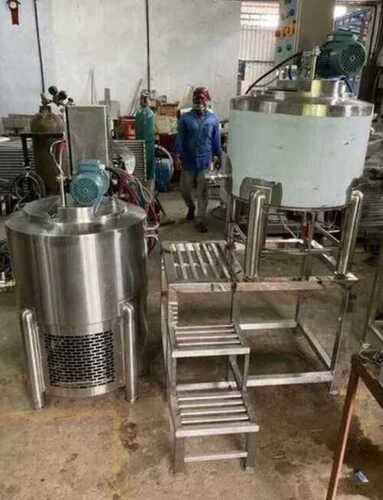
GROUNDNUT BURFFIE MAKING MACHINE
Price 90000 INR / Piece
Minimum Order Quantity : 1 Piece
Power : 3 HP
Automatic : Yes
Material : Stainless Steel
Product Type : Confectionery Machinery
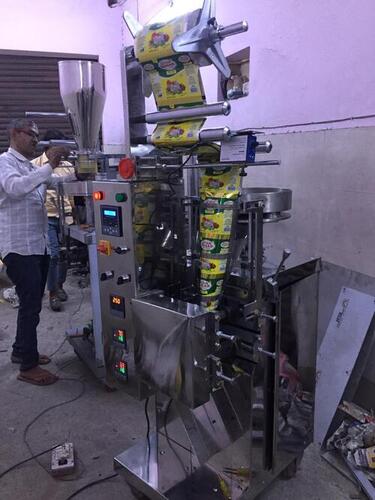
CHIPS PACKING MACHINE
Price 350000 INR / Piece
Minimum Order Quantity : 1 Piece
Power : 2.53.5 kW
Automatic : Yes
Material : Other, SS304/316
Product Type : Packing Machine
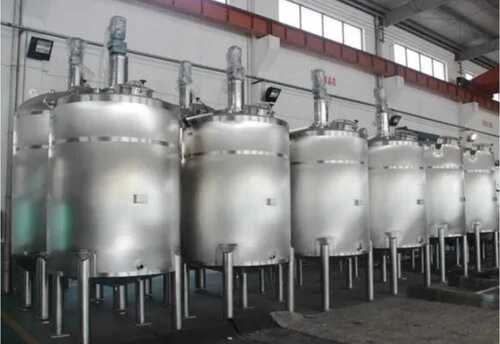
TOMATO PUREE MAKING PLANT
Price 250000 INR / Piece
Minimum Order Quantity : 1 Piece
Power : 1228 kW (depending on capacity)
Automatic : Yes
Material : Other, Food Grade Stainless Steel (SS304/SS316)
Product Type : Tomato Puree Making Plant
millet processing machine
Price 160000 INR / Piece
Minimum Order Quantity : 1 Piece
Power : 7.5 kW
Automatic : Yes
Material : Stainless Steel
Product Type : Millet Processing Machine

ZIGMA MACHINERY & EQUIPMENT SOLUTIONS
GST : 33CGIPS5665K1ZS
GST : 33CGIPS5665K1ZS
Contact Details

- 223, Corner of GKS Avenue, Siruvani Road, Vadavalli, Near Bharathi Vidya School,Coimbatore - 641046, Tamil Nadu, India
- Phone :08071794159

- Mr. Sundar Prabu (Director)
- Mobile :08071794159
- Send Inquiry
 Send Inquiry
 Send Inquiry
 Send SMS
ZIGMA MACHINERY & EQUIPMENT SOLUTIONS
All Rights Reserved.(Terms of Use)
Developed and Managed by Infocom Network Private Limited.
Developed and Managed by Infocom Network Private Limited.

