


 Send Inquiry
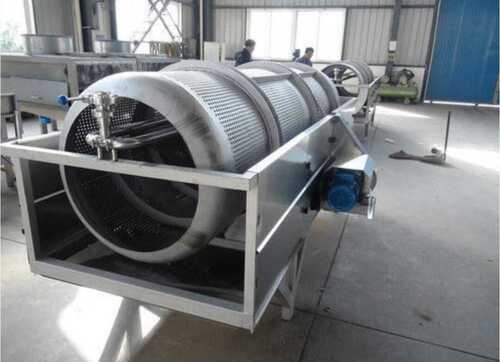
TOMATO SAUCE PROCESSING PLANT
Price 350000 INR/ Piece
MOQ : 1 Piece
TOMATO SAUCE PROCESSING PLANT Specification
- Frequency
- 50/60 Hz
- Feeding System
- Elevator/Feeder Hopper
- Machine Type
- Multi-Function Processing Line
- Speed Mode
- Variable Speed
- Power Source
- Electric
- Noise Level
- < 65 dB
- Function Type
- Processing Line
- Features
- Washing, Crushing, Pulping, Cooking, Evaporation, Homogenizing, Filling
- Automation Grade
- Automatic/Semi-automatic (as required)
- Phase
- Three Phase
- Operating Temperature
- Up to 95C (Product Specific)
- Heating Method
- Steam/Indirect Electric
- Product Type
- Tomato Sauce Processing Plant
- General Use
- Tomato Sauce/Ketchup Processing
- Material
- Food Grade Stainless Steel (SS304/SS316)
- Type
- Industrial
- Capacity
- 0.5 to 10 Tons/Hour
- Weight (kg)
- 2000-12000 kg (Depending on configuration)
- Product Shape
- Horizontal Rectangular Modular Plant
- Computerized
- Yes
- Automatic
- Yes
- Control System
- PLC Control Panel
- Installation Type
- Containerized Modular / Fixed On-Site
- Voltage
- 380-440 V
- Power
- 18-30 kW (Depends on Capacity)
- Dimension (L*W*H)
- Customized (Typically 10-40m x 3-6m x 3-5m)
- Raw Material
- Fresh Tomatoes
- Feature
- User Friendly, High Efficiency, Corrosion Resistant
- Color
- Stainless Steel, Grey
- Sealing Type
- Hot Filling, Sealing, Capping, Labelling
- Cleaning System
- CIP (Clean-In-Place) Compatible
- Utilities Required
- Electricity, Steam, Water, Compressed Air (as per design)
- Water Consumption
- Approx. 1-2 m³/hr (Depends on Process)
- Processing Stage Coverage
- Washing, Sorting, Crushing, Pre-heating, Pulping, Concentration, Homogenization, Pasteurization, Filling, Packaging
- Package Type
- Seaworthy Packing, Wooden Crate, Bubble Wrapped
- Services Provided
- Installation, Commissioning, Training, After-Sales Support
- Pump Type
- Sanitary Food-Grade Transfer Pumps
- Conveyor Type
- Modular Belt & Screw Conveyor
- Output Product
- Tomato Sauce, Tomato Ketchup, Tomato Paste
- Operator Requirement
- 2-5 Persons (Depends on Automation Level)
- Application
- Industrial Food Processing
- Safety System
- Emergency Stop, Overload Protection, Safety Lockouts
About TOMATO SAUCE PROCESSING PLANT
ZIGMA MACHINERY & EQUIPMENT SOLUTIONS are Manufacturer, Supplier, Exporter of Various Fruits & Vegetable Pulp Processing Plants, Fruits & Vegetables Jam/Jelly Processing Plants, Fruits & Vegetables Juice Processing Plants,Comprehensive Tomato Processing
Our tomato sauce processing plant covers every stage required to transform fresh tomatoes into premium sauce, ketchup, or paste. From precision washing and sorting to efficient crushing, cooking, and packaging, the integrated line uses advanced automation for high productivity and quality assurance. Each module, constructed from food-grade stainless steel, guarantees hygiene and durability for industrial food applications.
Safety, Efficiency, and Flexibility
Safety features such as emergency stop, overload protection, and lockouts are embedded within the plant's design. The containerized modular setup allows both fixed and flexible installations, adapting to different facility layouts. Operators benefit from intuitive controls, variable-speed operation, and reliable sanitary pumps, while the cleaning process is streamlined via CIP compatibility, minimizing downtime.
Professional Support and Customization
Clients receive end-to-end services including installation, commissioning, operator training, and robust after-sales support. Our modular units are seaworthy packed for secure transportation, and plant dimensions are custom-tailored to meet production requirements. The automated system's PLC control facilitates real-time monitoring, adjustment, and ensures consistent output quality in each batch.
FAQ's of TOMATO SAUCE PROCESSING PLANT:
Q: How does the tomato sauce processing plant operate and what processes are included?
A: The plant operates as a fully automated and modular system, covering processes such as washing, sorting, crushing, pre-heating, pulping, concentration, homogenization, pasteurization, filling, sealing, capping, labelling, and packaging. Fresh tomatoes are transformed efficiently into tomato sauce, ketchup, or paste, with quality maintained at every step.Q: What are the utility requirements for running the plant?
A: The plant requires electricity, steam, water, and compressed air, with specific consumption rates depending on the design and capacity. It typically operates at 380-440 V, 18-30 kW power, and utilizes 1-2 m3/hr of water during processing. All utilities must be supplied as per the plant's specifications.Q: When can operators expect benefits from the modular and automated design?
A: Operators can realize benefits immediately after installation and commissioning, as the modular design enables flexibility, quick setup, and scalability. Automation improves efficiency and reduces manual intervention, so the plant achieves high output with fewer personnel needed for operations.Q: Where can the processing plant be installed and what installation options are available?
A: The plant is suitable for industrial food processing facilities. Installation options include containerized modular setups for portable use or fixed on-site configurations for permanent installations. Dimensions are customized to fit client spaces, typically ranging from 10 to 40 meters in length and adjusted per production needs.Q: What cleaning and hygiene systems does the plant feature?
A: The processing plant is compatible with CIP (Clean-In-Place) systems, allowing thorough internal cleaning of equipment without dismantling. This ensures stringent hygiene standards required for food-grade operation and supports safe, efficient maintenance routines.Q: How is product quality and safety ensured during operation?
A: Product quality and safety are maintained via PLC control panels, automated sanitary pumps, and built-in safety systems including emergency stop functions, overload protection, and lockouts. The use of food-grade stainless steel further ensures a safe and hygienic processing environment.Q: What are the main benefits for users investing in this tomato sauce processing plant?
A: Users benefit from high productivity, consistent product quality, reduced labor requirements, safety-compliant operation, streamlined cleaning, and strong service support. The flexible and user-friendly design, together with efficiency features, delivers cost-effective tomato sauce, ketchup, or paste production for industrial settings.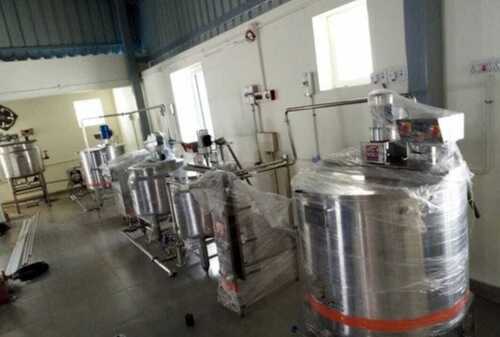
Tell us about your requirement

Price:
Quantity
Select Unit
- 50
- 100
- 200
- 250
- 500
- 1000+
Additional detail
Mobile number
Email

More Products in FOOD PROCESSING MACHINE Category
GINGER POWDER PROCESSING PLANT
Price 250000 INR / Piece
Minimum Order Quantity : 1 Piece
Automatic : Yes
Power : 1830 kW
Voltage : 380 V / 440 V
Weight (kg) : 4800 kg (approx.)
CORN PUFF AND KURKURE PROCESSING PLANT
Price 450000 INR / Piece
Minimum Order Quantity : 1 Piece
Automatic : Yes
Power : 65 kW (Typical for full plant)
Voltage : 380V / 415V (customizable)
Weight (kg) : 6500 kg (plant total weight approx.)
AMLA SEED POWDER MACHINE
Price 350000 INR / Piece
Minimum Order Quantity : 1 Piece
Automatic : Other, Semiautomatic
Power : 3 HP
Voltage : 220 V
Weight (kg) : 320 kg
GROUNDNUT DE STONER MACHINE
Price 360000 INR / Piece
Minimum Order Quantity : 1 Piece
Automatic : Yes
Power : 3 HP
Voltage : 220240 V
Weight (kg) : 350

ZIGMA MACHINERY & EQUIPMENT SOLUTIONS
GST : 33CGIPS5665K1ZS
GST : 33CGIPS5665K1ZS
Contact Details

- 223, Corner of GKS Avenue, Siruvani Road, Vadavalli, Near Bharathi Vidya School,Coimbatore - 641046, Tamil Nadu, India
- Phone :08071794159

- Mr. Sundar Prabu (Director)
- Mobile :08071794159
- Send Inquiry
 Send Inquiry
 Send Inquiry
 Send SMS
ZIGMA MACHINERY & EQUIPMENT SOLUTIONS
All Rights Reserved.(Terms of Use)
Developed and Managed by Infocom Network Private Limited.
Developed and Managed by Infocom Network Private Limited.

