


 Send Inquiry
TOMATO PASTE AND PUREE PROCESSING PLANT
Price 250000 INR/ Piece
MOQ : 1 Piece
TOMATO PASTE AND PUREE PROCESSING PLANT Specification
- Frequency
- 50/60 Hz
- Noise Level
- 75 dB
- Power Source
- Electricity
- Features
- Washing, Sorting, Crushing, Preheating, Pulping, Evaporation, Sterilization, Aseptic Filling
- Machine Type
- Continuous and Batch
- Heating Method
- Steam Heating/Electrical
- Function Type
- Multi-function Washing, Pulping, Pasteurizing, Filling
- Automation Grade
- Automatic
- Feeding System
- Automatic and Manual Feed
- Speed Mode
- Variable
- Operating Temperature
- Up to 120C
- Phase
- Three Phase
- Product Type
- Tomato Paste & Puree Processing Plant
- General Use
- Processing of tomato paste, puree, ketchup, and related products
- Material
- SS304/SS316 Food Grade Stainless Steel
- Type
- Industrial Processing Plant
- Capacity
- 0.5 TPD - 20 TPD (Tons Per Day)
- Weight (kg)
- 3000 12000 kg (as per configuration)
- Product Shape
- Rectangular, Modular Design
- Computerized
- Yes
- Automatic
- Fully Automatic
- Control System
- PLC (Programmable Logic Controller)
- Installation Type
- On-site installation with skid-mounted facility
- Voltage
- 380V/415V, 3 Phase
- Power
- 18-50 kW (Depending on plant capacity)
- Dimension (L*W*H)
- Customized per plant requirement
- Raw Material
- Fresh Tomatoes
- Feature
- Corrosion Resistant, Compact Structure, Easy Operation, Hygienic Processing
- Color
- Stainless Steel Finish
- Packaging Type
- Aseptic Bags, Drums, Bottles (based on final requirement)
- After Sales Support
- Installation, Commissioning, Training, Spare Parts
- Safety Features
- Emergency Stop, Overload Protection, Interlocks
- Cooling Facility
- Integrated Cooling System for Paste Stability
- Processing Stages
- Conveyor, Washer, Crusher, Pulper, Finisher, Concentrator, Sterilizer, Filler
- Water Consumption
- Approx. 1-3 m³/hr (as per capacity)
- Application
- Suitable for tomato paste, puree, sauce, and juice production
- Cleaning System
- CIP (Clean-In-Place) supported
- Minimum Order Quantity
- 1 Plant
About TOMATO PASTE AND PUREE PROCESSING PLANT
ZIGMA MACHINERY & EQUIPMENT SOLUTIONS are Manufacturer, Supplier, Exporter of Various Fruits & Vegetable Pulp Processing Plants, Fruits & Vegetables Jam/Jelly Processing Plants, Fruits & Vegetables Juice Processing Plants,Hygienic and Efficient Processing
Maintaining product integrity and hygiene is essential in food processing. Our CIP (Clean-In-Place) system ensures all contact surfaces are thoroughly cleaned without dismantling, while the integrated cooling system guarantees paste stability. Each machine stage-from washing and crushing to aseptic filling-is optimized for efficiency, safety, and sanitary operation, delivering consistent product quality.
Versatile Production and Control
Designed for maximum flexibility, the plant efficiently processes fresh tomatoes into various end products including paste, puree, sauce, and juice. The fully automatic, PLC-driven control system allows for seamless operation of all modules, whether batch or continuous processing is required. Customizable capacity and packaging options support a range of production needs and market requirements.
Modular Construction and Easy Maintenance
The plant features a compact, rectangular, and modular design, crafted from corrosion-resistant stainless steel. Skid-mounted for straightforward on-site installation and expansion, it's engineered for easy operation and low maintenance. Available with capacity variations, each system is tailored to specific plant needs, making it an ideal choice for growth and adaptability.
FAQ's of TOMATO PASTE AND PUREE PROCESSING PLANT:
Q: How does the cleaning-in-place (CIP) system work in the tomato paste processing plant?
A: The CIP (Clean-In-Place) system enables automated, thorough cleaning of internal surfaces throughout the processing equipment without disassembly. It uses a combination of cleaning solutions and water to remove residues and maintain hygiene, reducing downtime and ensuring compliance with food safety regulations.Q: What products can be processed with this plant and what are the packaging options?
A: The plant is suitable for producing tomato paste, puree, sauce, and juice. End products can be packaged in aseptic bags, drums, or bottles, with options tailored to market and customer requirements, ensuring product safety and extended shelf life.Q: When is the integrated cooling facility utilized during processing?
A: The integrated cooling system operates after pasteurization or concentration, rapidly lowering the temperature of the tomato paste or puree. This step stabilizes the product, preventing microbial growth and preserving color and flavor before aseptic filling and packaging.Q: Where can the tomato paste and puree processing plant be installed?
A: The plant is designed for on-site installation at food production facilities, including export-oriented units, commercial kitchens, or standalone factories. Its skid-mounted and modular construction allows for flexible layout customization to suit specific site conditions.Q: What are the main processing stages involved in the plant?
A: Key processing stages include conveying, washing, crushing, pulping, finishing, concentrating, sterilizing, and filling. Each stage is fully automated and optimized for high throughput and consistent product quality, from raw tomato intake to final aseptic packaging.Q: How does the PLC control system benefit plant operation?
A: The PLC (Programmable Logic Controller) offers centralized, programmable control over all key functions, ensuring precise operation, quick troubleshooting, and seamless integration of safety features such as emergency stop, overload protection, and interlocks.Q: What after-sales support is provided for the plant?
A: Comprehensive after-sales support covers installation, commissioning, operator training, and availability of spare parts. This ensures smooth plant startup, ongoing efficiency, and minimal operational interruptions for customers.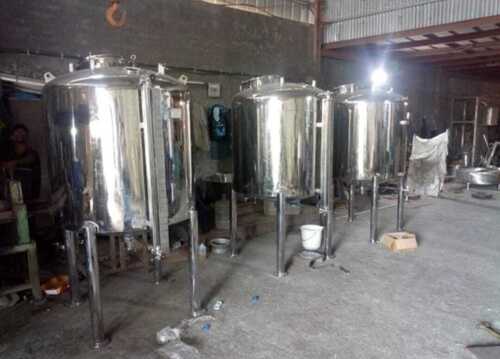
Tell us about your requirement

Price:
Quantity
Select Unit
- 50
- 100
- 200
- 250
- 500
- 1000+
Additional detail
Mobile number
Email

More Products in FOOD PROCESSING MACHINE Category
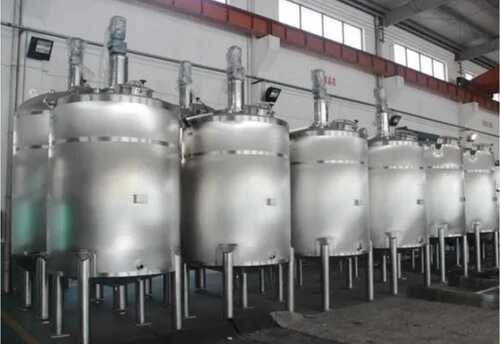
COCONUT MILK POWDER PROCESSING PLANTS
Price 450000 INR / Piece
Minimum Order Quantity : 1 Piece
Product Type : Coconut Milk Powder Processing Plant
Operating Temperature : Up to 8090C
Type : Other, Automatic Plants
Feeding System : Screw/Conveyor Automated
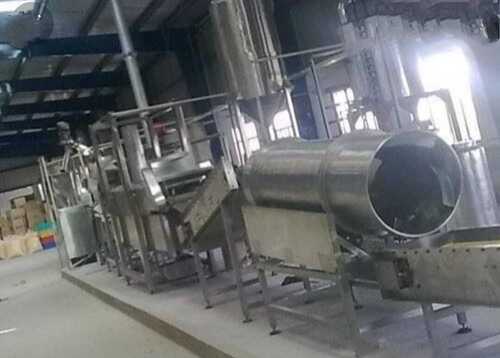
MILK PASTEURIZERS
Price 250000 INR / Piece
Minimum Order Quantity : 1 Piece
Product Type : Milk Pasteurizer
Operating Temperature : 6590C (Adjustable)
Type : Other, Batch/Continuous Type
Feeding System : Automatic
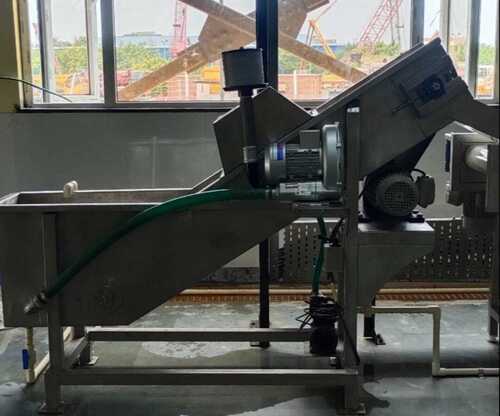
AUTOMATIC SNACKS PROCESSING PLANT
Price 250000 INR / Piece
Minimum Order Quantity : 1 Piece
Product Type : Snacks Processing Plant
Operating Temperature : 180220C
Type : Other, Automatic Snacks Processing
Feeding System : Automatic Screw Feeder
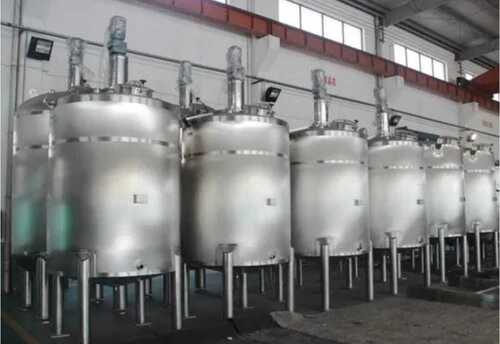
FRUITS COLD PRESSED OILS PROCESSING PLANT
Price 160000 INR / Piece
Minimum Order Quantity : 1 Piece
Product Type : Fruits Cold Pressed Oils Processing Plant
Operating Temperature : Ambient / <40C
Type : Other, Oil Extraction Plant
Feeding System : Automatic Feeder Conveying System

ZIGMA MACHINERY & EQUIPMENT SOLUTIONS
GST : 33CGIPS5665K1ZS
GST : 33CGIPS5665K1ZS
Contact Details

- 223, Corner of GKS Avenue, Siruvani Road, Vadavalli, Near Bharathi Vidya School,Coimbatore - 641046, Tamil Nadu, India
- Phone :08071794159

- Mr. Sundar Prabu (Director)
- Mobile :08071794159
- Send Inquiry
 Send Inquiry
 Send Inquiry
 Send SMS
ZIGMA MACHINERY & EQUIPMENT SOLUTIONS
All Rights Reserved.(Terms of Use)
Developed and Managed by Infocom Network Private Limited.
Developed and Managed by Infocom Network Private Limited.

