


 Send Inquiry
DE HYDERATED VEGETABLE FLAKES PLANT
Price 360000 INR/ Piece
MOQ : 1 Piece
DE HYDERATED VEGETABLE FLAKES PLANT Specification
- Operating Temperature
- Up to 120C
- Features
- Continuous operation, High throughput, Low energy consumption
- Power Source
- Electric
- Function Type
- Multi-Function (Washing, Peeling, Cutting, Drying, Packaging)
- Heating Method
- Hot Air Circulation
- Feeding System
- Conveyor based automatic feeder
- Phase
- Three Phase
- Machine Type
- Dehydration Plant
- Automation Grade
- Fully Automatic
- Speed Mode
- Variable
- Frequency
- 50 Hz
- Noise Level
- <75 dB
- Product Type
- Dehydrated Vegetable Flakes Production Plant
- General Use
- Commercial dehydration of vegetable flakes
- Material
- Stainless Steel 304/316
- Type
- Food Processing Line
- Capacity
- 500 kg to 5000 kg/day
- Weight (kg)
- 8000 kg (Approx.)
- Product Shape
- Rectangular modular plant system
- Computerized
- Yes
- Automatic
- Yes
- Control System
- PLC Based
- Installation Type
- Skid Mounted/Factory Built
- Voltage
- 415 V
- Power
- 70 kW (Approx.)
- Dimension (L*W*H)
- 18m x 4m x 4.5m (Customized on request)
- Raw Material
- All types of vegetables (Onion, Garlic, Carrot, Potato, etc.)
- Feature
- Energy efficient, Hygienic processing, Easy cleaning, Corrosion resistant body
- Color
- Stainless Steel (Metallic Finish)
- Service Support
- On-site installation & training, Spare part availability
- Environmental Compliance
- Meets international emission and noise standards
- Safety Features
- Emergency stop, Overload protection
- Utility Requirement
- Compressed air, Three-phase power supply, Water inlet
- Drying Technology
- Multi-stage belt dryer with precise temperature control
- Production Line Integration
- Can be integrated with pre-processing and packaging units
- Cleaning System
- CIP enabled (Clean-In-Place system)
- Water Consumption
- Approximately 1.5 m³/ton processed
- Operating Staff Required
- 2-3 persons per shift
- Application
- Processing of onion, garlic, carrot, potato, chili, other vegetables
- Minimum Order Quantity
- 1 Set
- Conveyor Material
- Food grade PU/SS mesh belt
- Moisture Reduction
- Reduces moisture to less than 6% in finished flakes
- Humidity Control
- Adjustable humidistat for consistent product output
About DE HYDERATED VEGETABLE FLAKES PLANT
ZIGMA MACHINERY & EQUIPMENT SOLUTIONS are Manufacturer, Supplier, Exporter of Various Fruits & Vegetable Pulp Processing Plants, Fruits & Vegetables Jam/Jelly Processing Plants, Fruits & Vegetables Juice Processing Plants,Precision Multi-Stage Drying Technology
Leveraging a sophisticated multi-stage belt dryer, this plant provides precise temperature and humidity control to ensure even, consistent dehydration. The hot air circulation system minimizes energy use while delivering rapid, uniform drying, with the ability to adjust the humidistat for reliable product quality in every batch.
Seamless Integration and Automation
This dehydration plant's fully automatic operation is powered by a PLC-based control system, allowing effortless integration with preprocessing and packaging units. Its conveyor-based feeder and modular design enable efficient line setups, which helps scale processing capacity from 500 kg up to 5000 kg per day with minimal operating staff.
Superior Hygiene and Easy Maintenance
Engineered with food-grade stainless steel and a Clean-In-Place (CIP) system, the plant prioritizes hygienic processing and easy cleaning. Its corrosion-resistant body and skid-mounted structure ensure long-term reliability and streamlined maintenance environments, achieving high safety and sanitary standards for food production.
FAQ's of DE HYDERATED VEGETABLE FLAKES PLANT:
Q: How does the multi-stage belt dryer in the vegetable flakes plant ensure effective dehydration?
A: The multi-stage belt dryer regulates temperature and humidity precisely through its advanced PLC control system, allowing hot air to circulate evenly across all vegetable layers. This process reduces moisture content to less than 6% in the finished flakes, resulting in consistently high product quality.Q: What types of vegetables can be processed in this dehydration plant?
A: The plant is designed to handle a wide range of vegetables, including onion, garlic, carrot, potato, chili, and many others. Its modular construction and adjustable control systems accommodate various vegetable types and sizes for optimal drying.Q: When is it necessary to conduct cleaning and maintenance on the plant?
A: Routine cleaning is simplified with the Clean-In-Place (CIP) system, allowing automated cleaning without plant disassembly. Regular maintenance checks, especially on conveyors and heating elements, are recommended based on operation hours but are generally minimal due to the robust, corrosion-resistant construction.Q: Where can the dehydrated vegetable flakes plant be installed, and what are its space requirements?
A: The plant is suitable for installation in commercial food processing facilities and is available as a skid-mounted or factory-built system for flexible site integration. Standard dimensions are 18m x 4m x 4.5m, but customization is available to fit specific site requirements.Q: What utilities and conditions are required for optimal plant operation?
A: The plant requires a three-phase power supply (415V), compressed air, and a water inlet, with a power consumption of approximately 70 kW. It operates with less than 75 dB noise and adheres to international environmental and safety standards for emissions and noise.Q: How does the plant benefit commercial food processors?
A: It offers high throughput with energy-efficient operations, minimal staffing (2-3 persons per shift), and built-in safety and automation. These features lower operational costs, ensure product consistency, and support large-scale, hygienic food production for exporters, manufacturers, and suppliers alike.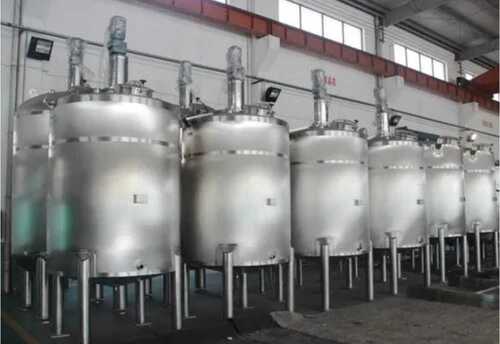
Tell us about your requirement

Price:
Quantity
Select Unit
- 50
- 100
- 200
- 250
- 500
- 1000+
Additional detail
Mobile number
Email

More Products in FOOD PROCESSING MACHINE Category

NAMKEEN SNACKS PROCESSING PLANT
Price 250000 INR / Piece
Minimum Order Quantity : 1 Piece
Color : Other, Silver/Grey
Computerized : Yes
Voltage : 380V440V
General Use : Production of Namkeen, Sev, Bhujia, Mixtures, and other Snacks

FOOD SNACKS PROCESSING MACHINE
Price 250000 INR / Piece
Minimum Order Quantity : 1 Piece
Color : Other, Silver
Computerized : Yes
Voltage : 380V
General Use : Snack Extrusion and Processing
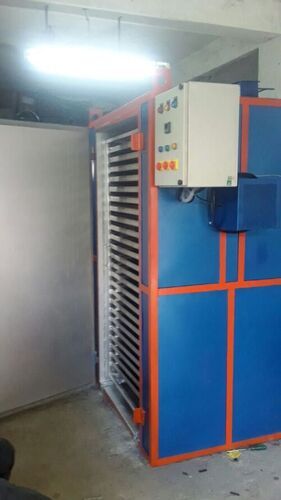
SEMIYA DRYER MACHINE
Price 250000 INR / Piece
Minimum Order Quantity : 1 Piece
Color : Other, Silver
Computerized : Yes
Voltage : 380V
General Use : Drying Semiya/ Vermicelli
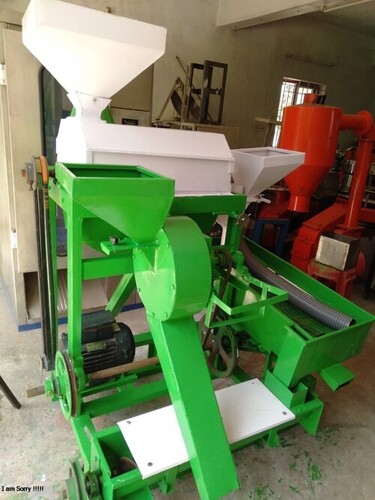
millet skin remover
Price 180000 INR / Piece
Minimum Order Quantity : 1 Piece
Color : Other, Silver and Blue
Computerized : No
Voltage : 220240 V
General Use : Peeling or Removing Skin from Millet Grains

ZIGMA MACHINERY & EQUIPMENT SOLUTIONS
GST : 33CGIPS5665K1ZS
GST : 33CGIPS5665K1ZS
Contact Details

- 223, Corner of GKS Avenue, Siruvani Road, Vadavalli, Near Bharathi Vidya School,Coimbatore - 641046, Tamil Nadu, India
- Phone :08071794159

- Mr. Sundar Prabu (Director)
- Mobile :08071794159
- Send Inquiry
 Send Inquiry
 Send Inquiry
 Send SMS
 Call Me Free
ZIGMA MACHINERY & EQUIPMENT SOLUTIONS
All Rights Reserved.(Terms of Use)
Developed and Managed by Infocom Network Private Limited.
Developed and Managed by Infocom Network Private Limited.

