


 Send Inquiry
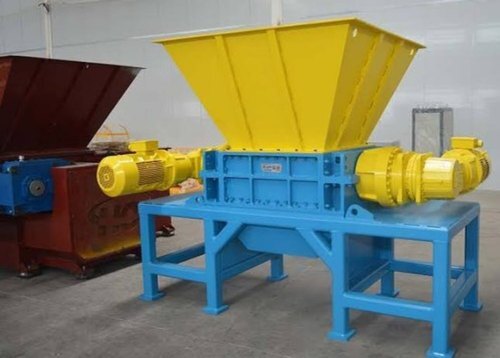
metal shredder
Price 850000 INR/ Piece
MOQ : 1 Piece
metal shredder Specification
- Capacity
- 2000 kg/hr
- Noise Level
- < 75 dB
- Material
- Mild Steel
- Weight
- 3200 kg
- Automatic Grade
- Automatic
- Control System
- PLC based control
- Size
- 2400 x 1500 x 1800 mm
- Thickness
- 1 - 10 mm
- Voltage
- 380 V
- Processing Type
- Shredding
- Sheet Capacity
- Up to 10 sheets
- Color
- Blue / Grey
- Motor Power
- 22 kW
- Frequency
- 50 Hz
- Application
- Recycling, Scrap Processing
- Blade Material
- Alloy Steel
- Discharge Type
- Automatic Hopper
- Feeding Mode
- Conveyor/Manual
- Shredding Chamber Size
- 600 x 600 mm
- Rotor Speed
- 80-100 rpm
- Throughput
- Up to 2 Tons/hour
- Number of Blades
- 12
- Mobility
- Fixed
- Operating Temperature
- -5C to 45C
- Drive Type
- Gear Driven
- Protection
- Overload and Safety Sensors
- Power Source
- Three Phase Electric
About metal shredder
ZIGMA MACHINERY & EQUIPMENT SOLUTIONS are Manufacturer, Supplier, Exporter of Various Fruits & Vegetable Pulp Processing Plants, Fruits & Vegetables Jam/Jelly Processing Plants, Fruits & Vegetables Juice Processing Plants,Advanced Shredding Technology
Equipped with 12 alloy steel blades, the metal shredder delivers superior cutting performance and longevity. The gear-driven system ensures consistent operation at a controlled rotor speed of 80-100 rpm, optimizing the shredding of various types of metal scrap with a processing capacity of up to 2 tons per hour.
Safety and Efficiency Combined
The shredder features overload and safety sensors to protect both operators and the machine. With a PLC-based control system, users can monitor and adjust the shredding process for maximum efficiency. The automatic hopper discharge keeps operations streamlined while maintaining a low noise level of under 75 dB.
Versatile Industrial Applications
Designed for recycling and scrap processing, this shredder handles a variety of materials, including mild steel sheets with thicknesses ranging from 1 to 10 mm. Its robust construction, spacious shredding chamber, and fixed installation make it ideal for continuous industrial use in manufacturing plants and recycling facilities.
FAQs of metal shredder:
Q: How is material fed into the metal shredder?
A: Material can be fed into the shredder either manually or by using a conveyor system, providing flexibility according to your facilitys requirements and maximizing operational ease.Q: What types and sizes of materials can the shredder process?
A: The shredder processes mild steel and similar metals with thicknesses from 1 to 10 mm, including sheets up to 10 at a time, making it suitable for a wide range of recycling and scrap processing applications.Q: When should maintenance be performed on the metal shredder?
A: Regular maintenance is recommended after every 200 operating hours or as per manufacturers guidelines. The alloy steel blades and mechanical components should be inspected for wear to ensure optimal performance and longevity.Q: Where is the ideal location to install this shredder?
A: This fixed shredder is best installed in industrial environments such as recycling plants, manufacturing facilities, or scrap processing units that require robust and continuous operation.Q: What safety features are included with this metal shredder?
A: The shredder is equipped with overload protection and safety sensors to automatically halt operations in case of blockages or system faults, minimizing the risk of damage and injury.Q: How does the automatic discharge system benefit users?
A: The automatic hopper discharge streamlines processed scrap removal, reduces manual handling, and ensures continuous operation, thereby improving workflow and workplace safety.Q: What are the key benefits of using this shredder for scrap processing?
A: Benefits include high throughput (up to 2 tons per hour), reliable automated operation via PLC controls, durable alloy steel blades, low noise output, and comprehensive operator safety, all designed to enhance efficiency in recycling operations.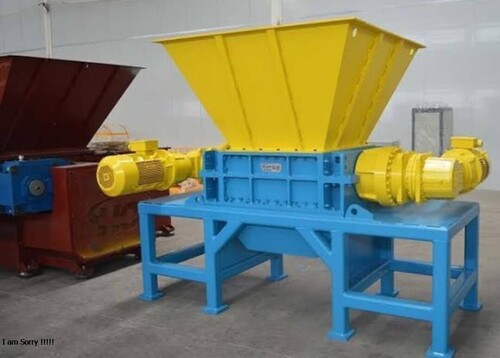
Tell us about your requirement

Price:
Quantity
Select Unit
- 50
- 100
- 200
- 250
- 500
- 1000+
Additional detail
Mobile number
Email

More Products in METAL SHREDDER MACHINENE Category
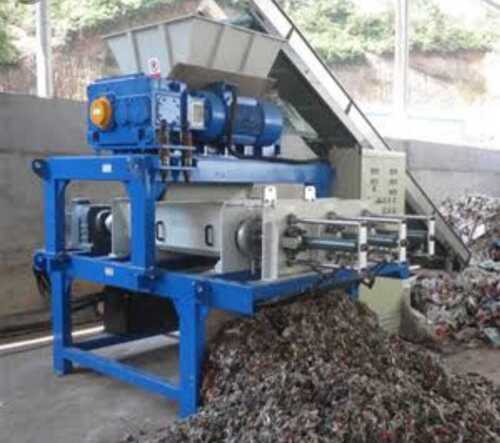
METAL SHREDDER
Price 450000 INR / Piece
Minimum Order Quantity : 1 Piece
Noise Level : < 75 dB
Capacity : 13 Ton/hr
Weight : 2.5 Ton
Material : Mild Steel
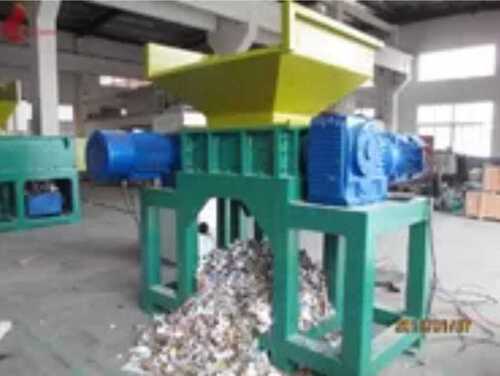
copper shredder
Price 45000 INR / Piece
Minimum Order Quantity : 1 Piece
Noise Level : <70 dB
Capacity : 500800 kg/hr
Weight : 1100 kg
Material : High Strength Steel
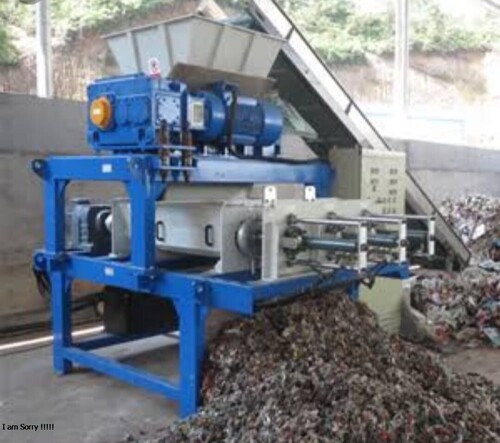
metal scrap shredder
Price 550000 INR / Piece
Minimum Order Quantity : 1 Piece
Noise Level : Less than 85 dB
Capacity : 25 Ton/Hour
Weight : Approx. 3.5 Ton
Material : Mild Steel
METAL SCRAP SHREDDER
Price 800000 INR / Piece
Minimum Order Quantity : 1 Piece
Noise Level : Below 85 dB
Capacity : 24 ton/hr
Weight : 3500 kg
Material : Mild Steel

ZIGMA MACHINERY & EQUIPMENT SOLUTIONS
GST : 33CGIPS5665K1ZS
GST : 33CGIPS5665K1ZS
Contact Details

- 223, Corner of GKS Avenue, Siruvani Road, Vadavalli, Near Bharathi Vidya School,Coimbatore - 641046, Tamil Nadu, India
- Phone :08071794159

- Mr. Sundar Prabu (Director)
- Mobile :08071794159
- Send Inquiry
 Send Inquiry
 Send Inquiry
 Send SMS
ZIGMA MACHINERY & EQUIPMENT SOLUTIONS
All Rights Reserved.(Terms of Use)
Developed and Managed by Infocom Network Private Limited.
Developed and Managed by Infocom Network Private Limited.

