


 Send Inquiry
KURKURE PROCESSING PLANT
Price 250000 INR/ Piece
MOQ : 1 Piece
KURKURE PROCESSING PLANT Specification
- Feeding System
- Automatic Feeder
- Power Source
- Electric
- Machine Type
- Snacks Extruder
- Operating Temperature
- Up to 200C
- Heating Method
- Electric/Gas
- Noise Level
- Low
- Function Type
- Extrusion, Cutting, Frying
- Features
- Robust Structure, Corrosion Resistance
- Automation Grade
- Automatic
- Phase
- Three Phase
- Speed Mode
- Variable
- Frequency
- 50/60 Hz
- Product Type
- Snack Processing Machine
- General Use
- Kurkure and Snacks Production
- Material
- Stainless Steel
- Type
- Extruder And Processing Line
- Capacity
- 100-300 kg/h
- Weight (kg)
- 4000 kg
- Product Shape
- Twisted Stick (Kurkure Shape)
- Computerized
- Yes
- Automatic
- Yes
- Control System
- PLC Based
- Installation Type
- Complete Turnkey
- Voltage
- 380V
- Power
- 55 kW
- Dimension (L*W*H)
- 12000 x 1500 x 2200 mm
- Raw Material
- Corn Grits
- Feature
- Continuous Production, Low Maintenance
- Color
- Silver/Grey
- Applicable Packaging
- Packable By Horizontal & Vertical Flow Wrap
- Frying System
- Continuous Fryer
- Oil Usage
- Optimized for Minimum Wastage
- Operator Requirements
- 2-3 Personnel
- Mixer Type
- Ribbon Blender
- Air Pressure Required
- 0.4-0.6 MPa
- Safety Features
- Emergency Stop, Overload Protection
- Cutting System
- Rotary Cutting Device
- Application
- Industrial Snack Food Production
- Cooling System
- Integrated Cooling Conveyor
- Cleaning
- Easy Clean Open Design
- Production Line Style
- Modular, Customizable Layouts
About KURKURE PROCESSING PLANT
ZIGMA MACHINERY & EQUIPMENT SOLUTIONS are Manufacturer, Supplier, Exporter of Various Fruits & Vegetable Pulp Processing Plants, Fruits & Vegetables Jam/Jelly Processing Plants, Fruits & Vegetables Juice Processing Plants,Advanced Modular & Customizable Design
The KURKURE PROCESSING PLANT delivers unmatched flexibility with its modular and customizable layout. Designed for easy adaptation, the system can be tailored to fit diverse production spaces and scale to varying requirements. Its stainless steel construction ensures long-term durability while supporting rigorous industrial use. With a complete turnkey setup, installation is straightforward and maintenance demands are minimized.
Optimized Production & Energy Efficiency
Featuring a continuous frying system that is optimized for minimum oil wastage, this plant ensures efficient resource use and consistent snack quality. Integrated with a ribbon blender, rotary cutting device, and automatic feeder, operations run smoothly with low noise and variable speed modes. Energy-efficient electrical and gas heating options reduce operational costs, while overheat and overload protection safeguard processes.
Comprehensive Safety & Easy Maintenance
Safety is paramount with features like emergency stop controls and overload protection. The open design simplifies cleaning and sanitation, enabling fast changeovers between batches. All systems are PLC-controlled for precise operation, and only 2-3 operators are required, making workflow both safe and labor-efficient. The robust, corrosion-resistant materials bolster durability and hygiene, ensuring safe production environments.
FAQ's of KURKURE PROCESSING PLANT:
Q: How does the KURKURE PROCESSING PLANT minimize oil usage during frying?
A: The plant employs a continuous fryer engineered for optimal oil flow and heat distribution, significantly minimizing oil wastage. This efficient frying system ensures each batch is cooked evenly while reducing overall oil consumption, lowering operating costs and maintaining high product quality.Q: What are the main steps in the Kurkure production process with this plant?
A: The process begins with mixing corn grits in the ribbon blender, followed by extrusion to form twisted Kurkure shapes. The rotary cutting device shapes the products, which are then fried using the continuous fryer. After frying, products are cooled on an integrated conveyor and finally packaged using horizontal or vertical flow wrap systems.Q: When is cleaning or maintenance recommended for the plant?
A: Routine cleaning should be performed after each production shift to maintain hygiene, utilizing the plant's easy-clean open design. Maintenance checks on critical systems like the ribbon blender, extruder, and fryer are recommended weekly or according to operational hours, as specified in the manufacturer's maintenance schedule.Q: Where can the KURKURE PROCESSING PLANT be installed?
A: This plant is designed for installation in industrial snack production facilities. Its modular layout allows for flexible arrangement within spaces of different sizes, requiring standard factory resources such as three-phase 380V power supply and adequate floor space as per the plant's dimensions.Q: What are the operator requirements for running the plant efficiently?
A: Operation is streamlined and highly automated, requiring only 2-3 personnel for monitoring, loading raw materials, handling quality checks, and overseeing the output. Routine system adjustments and cleaning are also facilitated by the plant's operator-friendly design.Q: What benefits does this processing plant provide to snack manufacturers?
A: Manufacturers benefit from continuous production, robust and corrosion-resistant construction, low operating noise, and minimized oil usage. The plant's automated and PLC-based controls maximize output quality while reducing labor and maintenance costs, ideal for high-volume snack production.Q: How does the integrated cooling conveyor enhance product quality?
A: The integrated cooling conveyor rapidly reduces the temperature of freshly fried Kurkure, helping maintain their structural integrity and crispiness. This step is crucial before packaging, as it prevents moisture buildup and ensures a consistent, high-quality end product.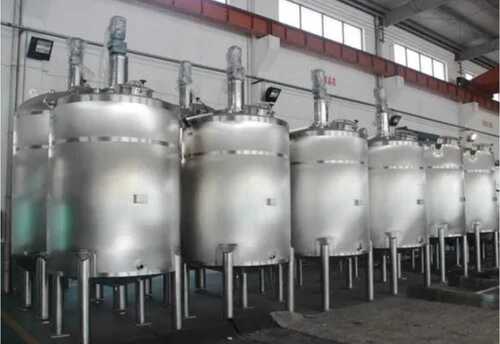
Tell us about your requirement

Price:
Quantity
Select Unit
- 50
- 100
- 200
- 250
- 500
- 1000+
Additional detail
Mobile number
Email

More Products in FOOD PROCESSING MACHINE Category
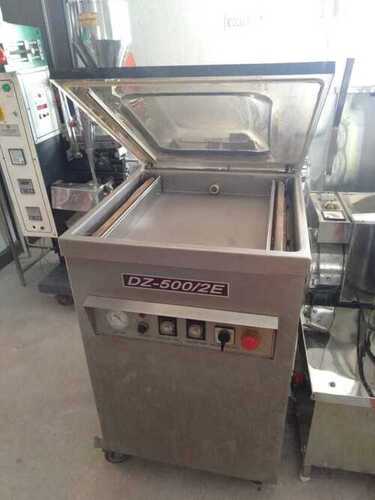
VACCUM PACKING MACHINE
Price 65000 INR / Piece
Minimum Order Quantity : 1 Piece
Installation Type : Table Top
Feature : Other, High Sealing (LeakProof), Durable Build, Low Maintenance
Type : Other, Chamber Type
Product Type : Vacuum Packing Machine
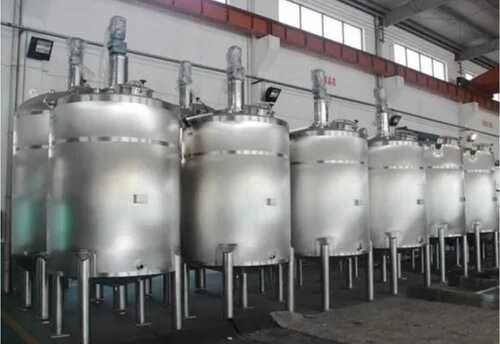
COCONUT BURFFI MACHINE
Price 450000 INR / Piece
Minimum Order Quantity : 1 Piece
Installation Type : Other, Floor Mounted
Feature : Other, High Efficiency, Easy to Clean
Type : Other, Confectionery Machinery
Product Type : Coconut Burffi Machine
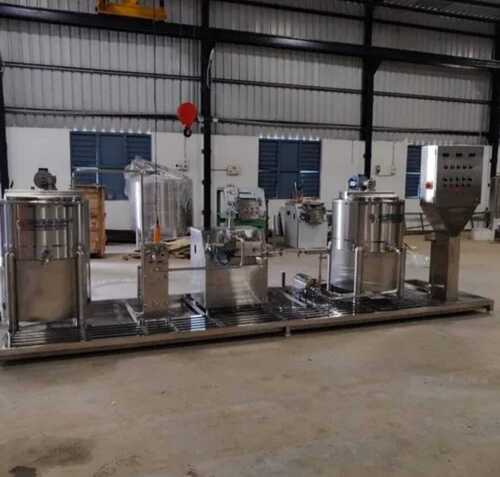
AYURVEDIC MEDICINE MACHINE
Price 160000 INR / Piece
Minimum Order Quantity : 1 Piece
Installation Type : Other, Floor Mounted
Feature : Other, High Efficiency, Robust Construction
Type : Other, Medicine Making Machine
Product Type : Pharmaceutical Processing Machine
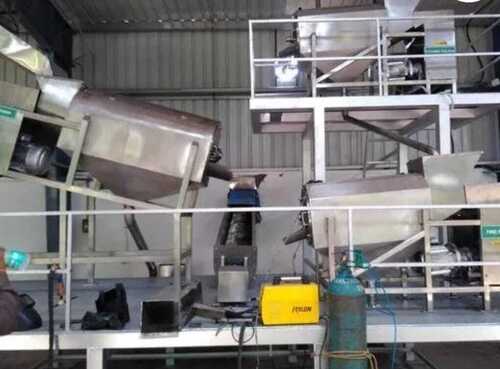
SNACKS FOOD EXTRUDER
Price 250000 INR / Piece
Minimum Order Quantity : 1 Piece
Installation Type : Other, Floormounted
Feature : Other, High efficiency, Low maintenance, Robust construction
Type : Other, Twin Screw / Single Screw
Product Type : Snacks Food Extruder

ZIGMA MACHINERY & EQUIPMENT SOLUTIONS
GST : 33CGIPS5665K1ZS
GST : 33CGIPS5665K1ZS
Contact Details

- 223, Corner of GKS Avenue, Siruvani Road, Vadavalli, Near Bharathi Vidya School,Coimbatore - 641046, Tamil Nadu, India
- Phone :08071794159

- Mr. Sundar Prabu (Director)
- Mobile :08071794159
- Send Inquiry
 Send Inquiry
 Send Inquiry
 Send SMS
ZIGMA MACHINERY & EQUIPMENT SOLUTIONS
All Rights Reserved.(Terms of Use)
Developed and Managed by Infocom Network Private Limited.
Developed and Managed by Infocom Network Private Limited.

