

 Send Inquiry
E WASTE RECYCLING MACHINE
Price 650000 INR/ Piece
MOQ : 1 Piece
E WASTE RECYCLING MACHINE Specification
- Thickness
- Up to 12 mm
- Size
- Length 15 ft x Width 6 ft x Height 8 ft
- Processing Type
- E Waste Recycling
- Voltage
- 415 V
- Frequency
- 50 Hz
- Weight
- 2200 kg
- Control System
- PLC Control
- Motor Power
- 15 HP
- Automatic Grade
- Semi Automatic
- Noise Level
- Low
- Application
- E-waste Recycling Industry
- Color
- Blue & Yellow
- Sheet Capacity
- Multiple PCBs and electronic components
- Material
- Mild Steel
- Capacity
- 500 kg/h
- Environment Compliance
- Meets RoHS standards
- Humidity Range
- <85% RH
- Separation Method
- Mechanical and Electrostatic Separation
- Output Material Size
- 1-40 mm (adjustable)
- Cooling System
- Air cooled
- Crushing Chamber
- Heavy-duty steel
- Safety Features
- Overload protection, Emergency stop switch
- Operation Mode
- Continuous
- Dust Collection System
- Integrated cyclone separator
- Feeding System
- Conveyor fed
- Power Consumption
- 14 kW
About E WASTE RECYCLING MACHINE
ZIGMA MACHINERY & EQUIPMENT SOLUTIONS are Manufacturer, Supplier, Exporter of Various Fruits & Vegetable Pulp Processing Plants, Fruits & Vegetables Jam/Jelly Processing Plants, Fruits & Vegetables Juice Processing Plants,Advanced Feeding System
The machine's conveyor-fed system streamlines the input of e-waste, ensuring consistent feeding and reducing manual labor. This design minimizes downtime and optimizes throughput, allowing for the handling of a diverse range of electronic components and printed circuit boards efficiently.
Dual Separation Technology
Employing both mechanical and electrostatic separation methods, the machine efficiently sorts materials for further processing or recovery. This dual approach improves extraction purity and ensures valuable metals and plastics are separated from contaminating substances during recycling.
Robust Construction and Safety
Constructed with a heavy-duty steel crushing chamber, this recycler guarantees durability and resilience during intensive operation. With integrated overload protection and an emergency stop switch, operators are safeguarded against equipment failures and unexpected incidents, enhancing workplace safety.
Environmental Compliance and Efficiency
Operating within a humidity range of <85% RH and incorporating an integrated cyclone separator for dust management, the machine supports eco-friendly recycling. It meets RoHS standards and features low noise levels, ensuring responsible operation within regulatory frameworks of the e-waste recycling industry.
FAQ's of E WASTE RECYCLING MACHINE:
Q: How does the E Waste Recycling Machine process electronic waste?
A: The machine utilizes a conveyor-fed system to deliver e-waste to a heavy-duty steel crushing chamber. It then employs mechanical and electrostatic separation techniques to precisely sort materials such as metals, plastics, and circuitry. Output sizes can be adjusted from 1 to 40 mm for varied recycling needs.Q: What types of materials can this recycling machine handle?
A: Designed for the e-waste recycling industry, the machine efficiently processes multiple electronic components and printed circuit boards (PCBs) with thicknesses up to 12 mm. It accommodates a wide variety of e-waste, including chips, connectors, and other electronic assemblies.Q: When should the machine be used for optimal results?
A: For best performance, operate the machine in environments with humidity levels below 85% RH and at temperatures suitable for air-cooled equipment. Continuous operation is recommended for high-volume recycling tasks, ensuring thorough processing and material recovery without interruption.Q: Where is this e-waste recycling machine typically installed?
A: Commonly found in e-waste recycling facilities and electronic equipment processing plants, the machine is suitable for industrial environments that require high-capacity throughput and compliance with environmental standards. It's used by exporters, manufacturers, and suppliers across India.Q: What is the operational process of the machine?
A: The recycling process begins with automated feeding via a conveyor. E-waste is crushed in the heavy-duty chamber, separated into distinct materials by mechanical and electrostatic systems, and dust particles are captured by the integrated cyclone separator. The PLC control system ensures smooth, semi-automatic operation.Q: How does the integrated cyclone separator benefit the recycling process?
A: The cyclone separator efficiently collects dust generated during crushing and separation, maintaining a clean recycling environment, ensuring regulatory compliance, and protecting both equipment and operators from potential airborne contaminants.Q: What are the key benefits of using this e-waste recycling machine?
A: Major advantages include high material recovery rates, robust construction, adjustable output sizing, low operational noise, and enhanced safety features such as overload protection and emergency stop capabilities. Its compliance with RoHS standards ensures environmentally responsible recycling.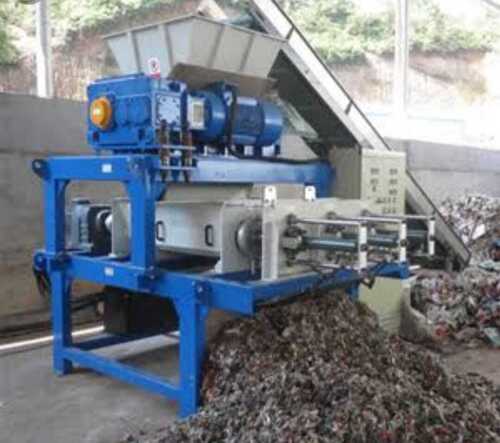
Tell us about your requirement

Price:
Quantity
Select Unit
- 50
- 100
- 200
- 250
- 500
- 1000+
Additional detail
Mobile number
Email

More Products in INDUSTRIAL SHREDDERS AND CRUSHERS Category
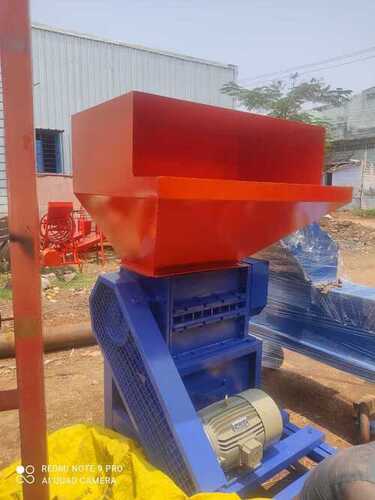
WASTE SHREDDER
Price 650000 INR / Piece
Minimum Order Quantity : 1 Piece
Material : Mild Steel
Capacity : 500 kg/hr
Color : Blue and Yellow
Application : Industrial Waste Shredding
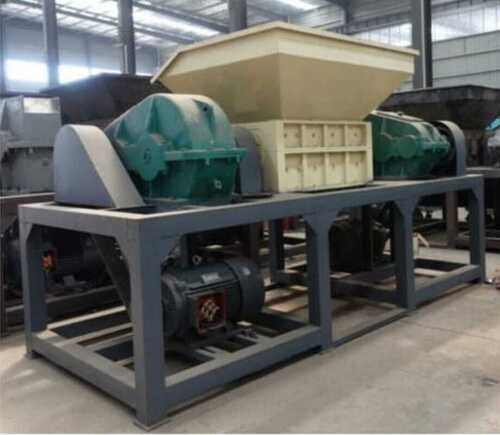
CAR WASTE SHREDDER
Price 650000 INR / Piece
Minimum Order Quantity : 1 Piece
Material : Alloy Steel
Capacity : 310 Tons/hour
Color : Gray & Orange
Application : Shredding Car Body, Scrap Metal, Car Waste, Vehicle Dismantling
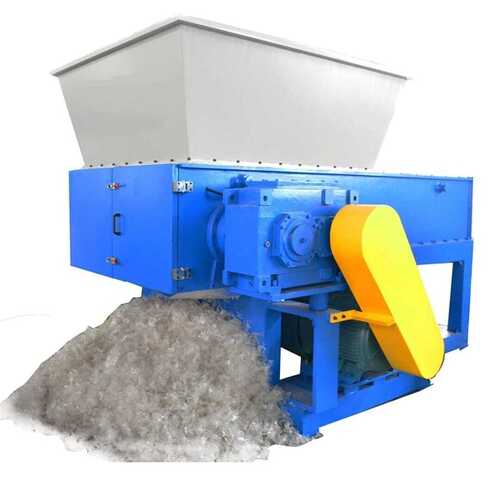
PET BOTTLE SHREDDER MACHINE
Price 650000 INR / Piece
Minimum Order Quantity : 1 Piece
Material : Mild Steel
Capacity : 80100 kg/hr
Color : Blue
Application : PET Bottle Shredding
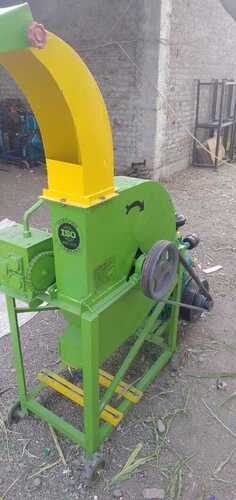
COCONUT LEAVES SHREDDER
Price 90000 INR / Piece
Minimum Order Quantity : 1 Piece
Material : Mild Steel
Capacity : 150200 kg/hr
Color : Green
Application : Coconut Leaf Shredding, Garden Waste

ZIGMA MACHINERY & EQUIPMENT SOLUTIONS
GST : 33CGIPS5665K1ZS
GST : 33CGIPS5665K1ZS
Contact Details

- 223, Corner of GKS Avenue, Siruvani Road, Vadavalli, Near Bharathi Vidya School,Coimbatore - 641046, Tamil Nadu, India
- Phone :08071794159

- Mr. Sundar Prabu (Director)
- Mobile :08071794159
- Send Inquiry
 Send Inquiry
 Send Inquiry
 Send SMS
ZIGMA MACHINERY & EQUIPMENT SOLUTIONS
All Rights Reserved.(Terms of Use)
Developed and Managed by Infocom Network Private Limited.
Developed and Managed by Infocom Network Private Limited.

