


 Send Inquiry
TOMATO SAUCE KETTLE PROCESSING PLANT
Price 90000 INR/ Piece
MOQ : 1 Piece
TOMATO SAUCE KETTLE PROCESSING PLANT Specification
- Automation Grade
- Fully Automatic
- Noise Level
- < 70 dB
- Function Type
- Heating, Mixing and Cooking
- Operating Temperature
- Up to 120C
- Power Source
- Electric
- Feeding System
- Automatic Fruit Feeding Hopper
- Machine Type
- Industrial Scale Tomato Sauce Plant
- Features
- Easy to Clean, Efficient Heat Transfer, CIP Compatible
- Speed Mode
- Variable Speed
- Frequency
- 50/60 Hz
- Phase
- Three Phase
- Heating Method
- Steam Jacketed, Indirect Heating
- Product Type
- Kettle Processing Plant
- General Use
- Tomato Sauce/Cetchup Production
- Material
- Stainless Steel (SS304/316)
- Type
- Batch Processing
- Capacity
- 500-2000 kg/hr
- Weight (kg)
- Approx. 1500-4000
- Product Shape
- Rectangular Modular Kettle Plant
- Computerized
- Yes
- Automatic
- Yes
- Control System
- PLC Based Control Panel
- Installation Type
- On-Site Installation
- Voltage
- 380V / 415V
- Power
- 25-50 kW
- Dimension (L*W*H)
- Customized (e.g. 4000mm x 1500mm x 2000mm)
- Raw Material
- Fresh Tomatoes
- Feature
- Corrosion resistant, Hygienic Processing
- Color
- Silver/Steel
- Water Consumption
- As per plant capacity
- Agitator Type
- Scraped Surface, Variable Speed
- Applicable Industry
- Food & Beverage Processing
- Output Form
- Sauce Paste
- Electrical Connection
- Insulated Copper Wiring
- Utilities Required
- Steam, Water, Electricity
- Panel Material
- Powder Coated Mild Steel
- Processing Time
- 20-40 Minutes/Batch
- Cleaning System
- CIP (Clean-In-Place)
- Design Standard
- GMP/ISO
- Temperature Control
- Digital Thermostat
- Mobility
- Stationary
- Safety System
- Overpressure & Overheat Protection
- Maintenance
- Low
- Discharge Type
- Bottom Outlet Valve
- Surface Finish
- Mirror Polished Inside
About TOMATO SAUCE KETTLE PROCESSING PLANT
ZIGMA MACHINERY & EQUIPMENT SOLUTIONS are Manufacturer, Supplier, Exporter of Various Fruits & Vegetable Pulp Processing Plants, Fruits & Vegetables Jam/Jelly Processing Plants, Fruits & Vegetables Juice Processing Plants,Advanced Tomato Sauce Production Efficiency
Engineered for superior performance, the plant automates the full process from feeding fresh tomatoes to delivering high-quality sauce paste. Its scraped surface agitator enhances heat transfer and mixing, while digital controls ensure batch consistency. Mirror-polished interiors and hygienic design minimize contamination risk, making it suitable for demanding industry standards.
State-of-the-Art Safety and Control
Safety is prioritized with integrated overpressure and overheat protection systems. The PLC-based control panel facilitates automation and monitoring, while digital thermostats maintain precise temperature. All electrical connections utilize insulated copper wiring, and the powder coated mild steel panel ensures operator safety and durability.
Simple Maintenance and Cleaning
The Clean-In-Place (CIP) system allows operators to clean the kettle efficiently without disassembly, reducing downtime and maintenance effort. Stainless steel construction and modular design further enhance lifespan and reliability. Routine maintenance is minimal, offering a cost-effective solution for large-scale operations.
FAQ's of TOMATO SAUCE KETTLE PROCESSING PLANT:
Q: How does the tomato sauce kettle processing plant ensure hygienic sauce production?
A: The plant's interior surfaces are mirror-polished, minimizing bacterial growth, and all materials in contact with the product are food-grade stainless steel (SS304/316). The system features a fully automatic Clean-In-Place (CIP) cleaning system, which thoroughly cleans and sanitizes the entire processing line without manual intervention.Q: What benefits does the scraped surface agitator offer during processing?
A: The variable speed, scraped surface agitator ensures even heat distribution and prevents product sticking or burning. This results in consistent sauce texture and higher product yields, while also making cleaning easier post-batch.Q: When should the plant be cleaned, and what is the cleaning process?
A: Cleaning should be performed after each batch or as dictated by hygiene protocols. The integrated CIP system automates the cleaning process, circulating cleaning agents and rinses through all product-contact areas without the need for disassembly.Q: Where can this processing plant be installed and who can use it?
A: Designed for on-site installation in industrial food and beverage processing environments, the plant is ideal for manufacturers, suppliers, and exporters of tomato sauce and ketchup, particularly within India's growing food sector.Q: What utilities are required for operation, and how does the plant manage energy consumption?
A: The plant requires connections for steam, water, and electricity (three-phase, 380V/415V, 50/60 Hz). Steam is used for indirect heating via a jacketed kettle, while energy consumption is optimized through efficient heat transfer and variable speed operation.Q: How is safety managed during sauce production?
A: Safety is ensured through overpressure and overheat protection systems integrated into the plant. Digital thermostats provide precise temperature control, while the robust, powder-coated control panel and insulated wiring safeguard operators and equipment.Q: What is the processing capacity and time per batch for this plant?
A: The plant supports batch processing capacities ranging from 500 to 2000 kg/hr. Each batch can be completed within 20-40 minutes, depending on the recipe and plant settings, maximizing output and operational efficiency.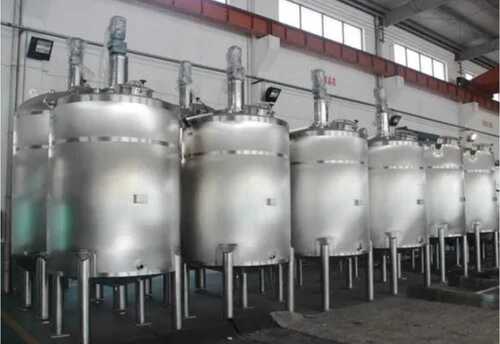
Tell us about your requirement

Price:
Quantity
Select Unit
- 50
- 100
- 200
- 250
- 500
- 1000+
Additional detail
Mobile number
Email

More Products in FOOD PROCESSING MACHINE Category
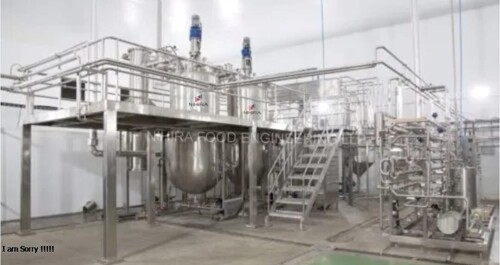
TAMARIND POWDER PLANT
Price 660000 INR / Piece
Minimum Order Quantity : 1 Piece
General Use : Tamarind Powder Manufacturing
Material : Other, Stainless Steel (SS304)
Color : Other, Metallic Silver
Control System : Other, PLC Controlled
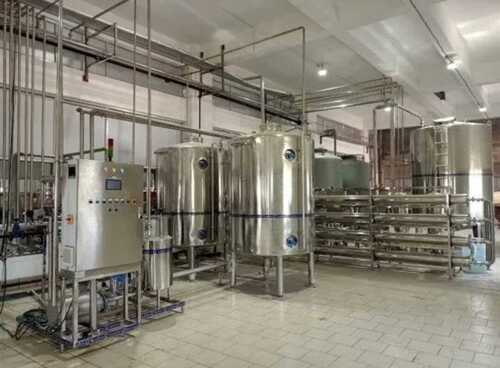
MARIGOLD EXTRACTS PROCESSING PLANTS
Price 350000 INR / Piece
Minimum Order Quantity : 1 Piece
General Use : Extraction of oleoresin, lutein from marigold flowers
Material : Other, Stainless Steel 304/316
Color : Other, Industrial grey & blue finish
Control System : Other, PLC based panel
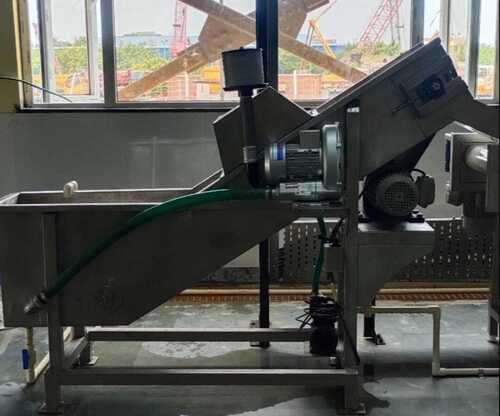
PAN MASALA PROCESSING MACHINE
Price 250000 INR / Piece
Minimum Order Quantity : 1 Piece
General Use : Pan Masala Manufacturing
Material : Stainless Steel
Color : Other, Silver / Grey
Control System : Other, PLC Based
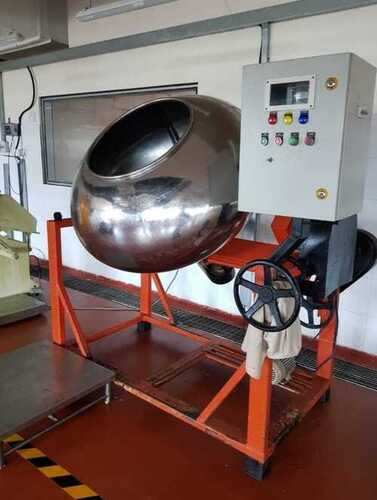
FLAVOURING MIXING MACHINE
Price 65000 INR / Piece
Minimum Order Quantity : 1 Piece
General Use : Mixing and Flavoring in Snack Processing
Material : Stainless Steel
Color : Other, Metallic Silver
Control System : Other, Button Panel

ZIGMA MACHINERY & EQUIPMENT SOLUTIONS
GST : 33CGIPS5665K1ZS
GST : 33CGIPS5665K1ZS
Contact Details

- 223, Corner of GKS Avenue, Siruvani Road, Vadavalli, Near Bharathi Vidya School,Coimbatore - 641046, Tamil Nadu, India
- Phone :08071794159

- Mr. Sundar Prabu (Director)
- Mobile :08071794159
- Send Inquiry
 Send Inquiry
 Send Inquiry
 Send SMS
 Call Me Free
ZIGMA MACHINERY & EQUIPMENT SOLUTIONS
All Rights Reserved.(Terms of Use)
Developed and Managed by Infocom Network Private Limited.
Developed and Managed by Infocom Network Private Limited.

